
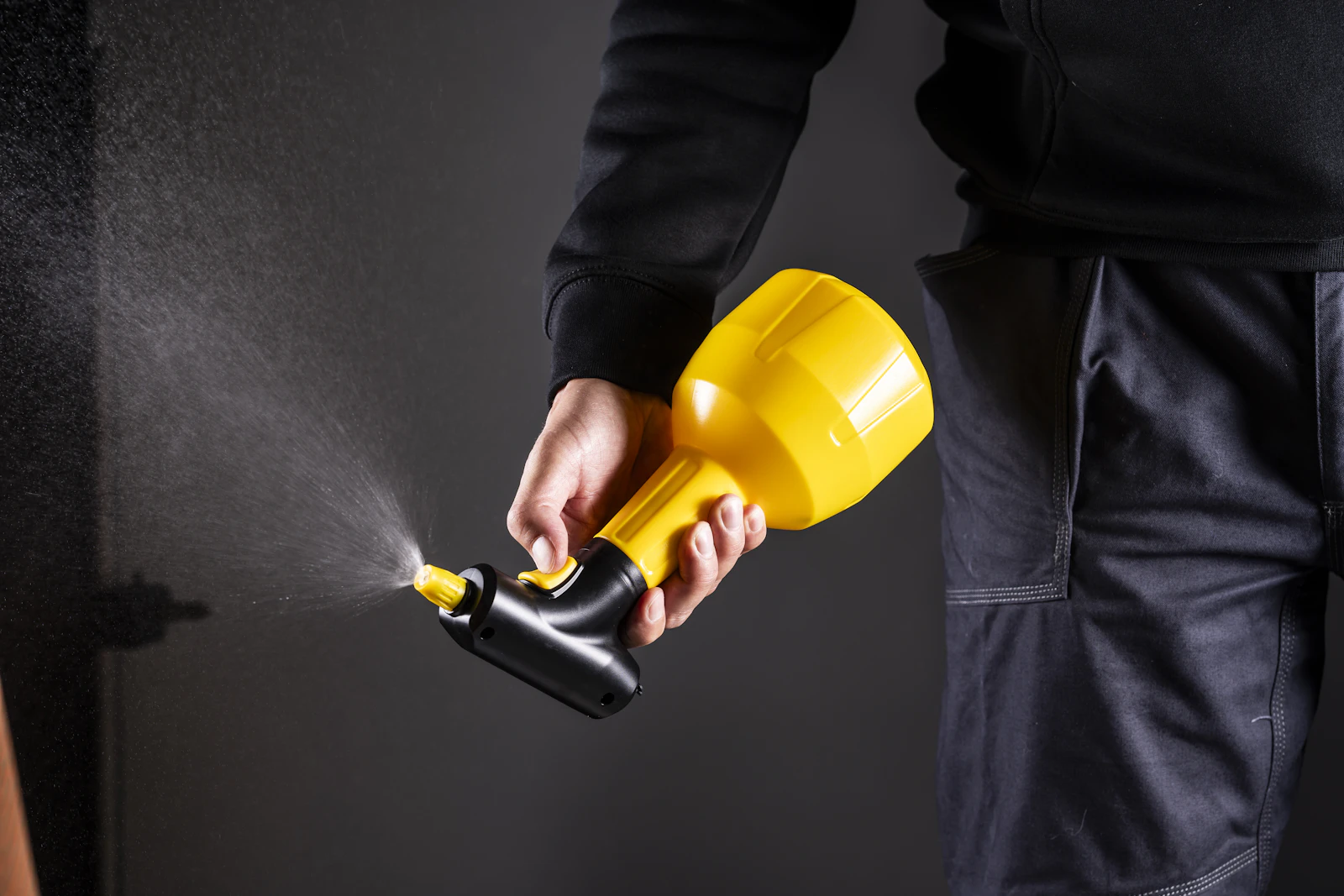
At least 130 °F at the surface, per EPA's do-it-yourself guidance — though Cornell's figure runs considerably hotter, at 160 to 180 °F. The gap reflects different testing conditions, but the practical takeaway is the same: check that your steamer's output temperature at the surface, not just at the nozzle, clears the sourced minimum before relying on it.
Bed Bugs Answers connects you with licensed local pest control companies. We are not a pest control contractor.
What's the airflow warning about?
EPA specifically cautions that the airflow from a steamer must not be forceful, or it scatters the bugs rather than killing them — the opposite of the intended effect. A gentle, direct application that lets the heat penetrate the surface is the sourced approach; a strong jet of air pushes insects into cracks and other areas before the heat reaches them.
What can steam actually treat, and what does it miss?
Steam is a surface-contact method — it treats what the nozzle directly reaches: mattress seams, upholstery, carpet edges, baseboards. It doesn't heat a whole room the way commercial thermal remediation does, and it carries the same limitation as whole-room heat: no residual effect, so it kills what it touches on the day and does nothing to prevent bed bugs returning afterward.

Sources
3 cited- Steam temperature and airflow guidance: US EPA, Do-it-yourself Bed Bug Control (checked 2026-08-18).
- Cornell's steam temperature figure: Cornell / NYS IPM Bed Bug FAQs (checked 2026-08-18).
- No residual effect of heat-based methods: UC IPM Pest Notes Publication 7454, Bed Bugs, May 2013 (checked 2026-08-18).